
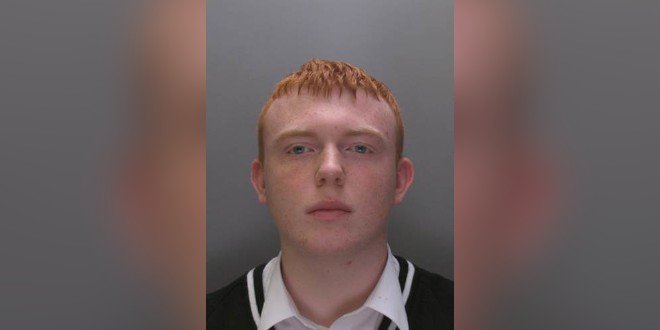
A university drop-out was sentenced to prison in a Liverpool court for operating Silk Road 2.0 under the pseudonym Dread Pirate Roberts 2 (DPR2).
The National Crime Agency in the United Kingdom announced that Thomas White, 24, a former student at Liverpool John Moores University, was sentenced to five years and four months in prison for operating the second Silk Road and for possession of almost 500 pictures depicting various forms of child abuse. In court, White admitted drug trafficking and money laundering in connection with Silk Road 2.0. He also admitted making indecent images of children in connection with a child pornography forum he had planned to create prior to his arrest.
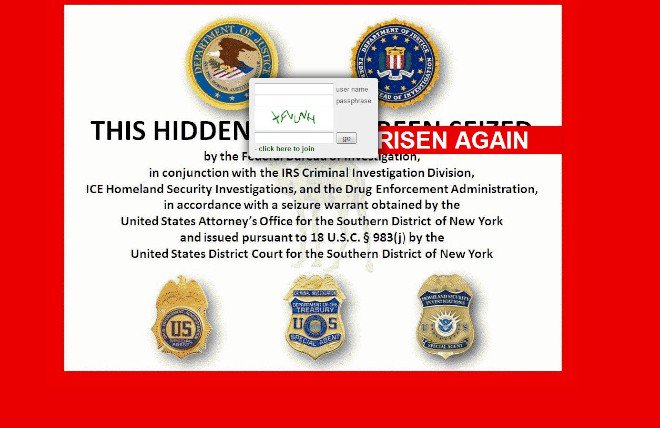
National Crime Agency officers raided White’s home in 2014 after the FBI had identified other conspirators involved in the creation and operation of the second iteration of the infamous Silk Road marketplace. After federal law enforcement agencies in the United States had raided the creator of the first Silk Road and shut down the market, White, along with several co-conspirators, launched Silk Road 2.0. The FBI publicly announced the arrest of the co-admin of Silk Road 2.0, Blake Benthall (known online as Defcon) in November 2014 as a part of Operation Onymous. But White, by the time the FBI had seized Silk Road 2.0, had basically disappeared from the scene. Many believed he had evaded capture. Publicly, it seemed as if law enforcement had forgotten about DPR2.
However, according to National Crime Agency investigator Paul Chowles, evidence obtained during the investigation into the first Silk Road had outed White to law enforcement almost immediately. Chowles, in a conversation with Motherboard, revealed that one of White’s other aliases had effectively connected White, through the alias, to the DPR2 identity. The alias belonged to another figure that many believed had escaped law enforcement: the prolific money launderer known online as StExo. StExo, in private discussions with other staff members of what became the second Silk Road, explained that he would drop the StExo monicker and launch Silk Road 2.0 under the DPR2 alias. Nothing connected StExo and DPR2 publicly. Security researchers had searched for information on StExo’s disappearance for years. Without internal chat logs obtained by federal law enforcement in the United States, very few people would have known that the same person had operated both accounts.
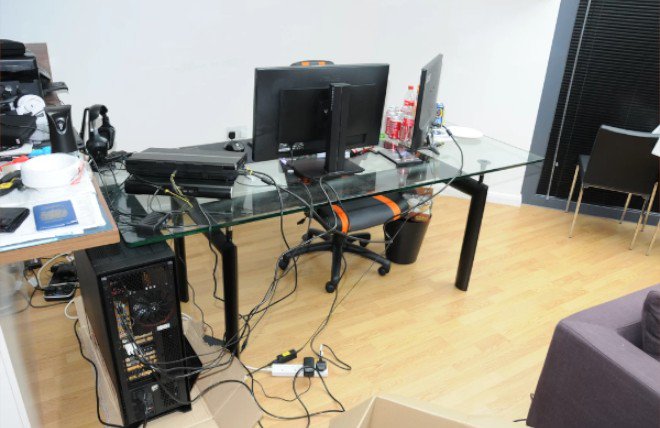
United States Homeland Security Investigations Special Agent Jared Der-Yeghiayan had worked with White in an undercover capacity, logging White’s transition from StExo to DPR2. White, as StExo, made mistakes that allowed NCA investigators to easily identify White as StExo. And the chat logs connected StExo to DPR2, identifying White as both a prolific money launderer and as the creator of Silk Road 2.0. Chowles said that White had taken out a loan under his name and used them had used that loan to purchase Bitcoin on the cryptocurrency exchange Mt. Gox. White, after purchasing Bitcoin under his real name, sent the Bitcoin to wallets associated with StExo’s account on Silk Road. After NCA officers had raided White’s house, they found Bitcoin wallets associated with DPR2 in White’s possession. They also seized a total of 50 Bitcoins that White had earned through his illicit activity as StExo or DPR2. In an announcement, the NCA revealed that they had not discovered how much money White had earned, in total, during the administration of Silk Road 2.0.
Chowles told Motherboard that investigators had faced various obstacles during the investigation into White. Encryption on White’s accounts hindered the investigation until law enforcement obtained access to White’s password manager. The international nature of the investigation had also delayed the prosecution. A source told Motherboard that the FBI had the only copies of vital evidence until June 2016. Complete copies of the data used by in White’s prosecution was only received by the NCA in December 2018.
Authorities had released White on bail after the original arrest in November 2014. After his release, White took on another persona known by security researchers worldwide. As a security expert known as “The Cthulhu,” White provided advice on securing onion services and other related topics. He had also hosted the hacked databases from Ashley Madison, MySpace, and other popular websites. The NCA noted that White himself had not hacked the sites in question (and those with data listed on darknet marketplaces).
Investigators found evidence that White had planned to create a child pornography forum that required a paid membership from users. White had mentioned this to the co-admin of SR2, chat logs seized by the authorities had revealed. The collection of category A child abuse images found on White’s laptop would likely have been used during the creation of the child pornography forum.
At Liverpool Crown Court in April, White was sentenced to five years and four months in prison.